Pricing AI features on tokens ties your revenue to the one input in your product that is getting cheaper fastest. Agents and customer-hosted models make it worse. Here is the two-layer alternative.


Pricing AI features on tokens ties your revenue to the one input in your product that is getting cheaper fastest. Agents and customer-hosted models make it worse. Here is the two-layer alternative.

In 2003 a T-Mobile manager asked how to bill our buddy finder per minute. In 2026 software companies ask how to bill AI per token. What the telco story teaches about AI pricing.

In 2011 maps were the expensive, strategic asset you either owned or rented. Foundation models are the same, at a larger scale: what that means for dependency, pricing power and multi-sourcing.

Simple, flexible, predictable: in 2011 the cloud forced software vendors to rebalance those three demands. AI pricing reopens the same trilemma, with seats, credits, outcomes and partners caught in between.

In 2011 I gave Foursquare and Facebook five lessons from Google+. The one that mattered was places data. In AI the question is the same: who owns your data layer?

In 2011 I predicted Localicious would fail: copied features, a market already spoken for, and a company ignoring its own strength. AI wrappers and incumbents bolting on chatbots are repeating all three.

In 2012 online and offline retail merged around the customer. Now AI agents compare and shop on the customer’s behalf. Here is what brands and retailers should do.

In 2012 I wrote about the location blind spot. In 2026 the bigger blind spot is the research your buyers do in AI assistants, which your analytics never see.
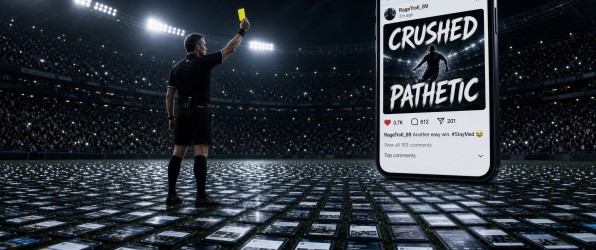
What I told the Dutch advertising regulator in 2020 about Big Tech, algorithms and the blurring line between ads, products and conversations, and what happened next.

How much control can a brand win back from supermarkets, platforms and AI agents? A 2020 workshop for Dutch CMOs, read through a wartime lesson in survivorship bias.

How a cold call to Adobe’s Dutch office turned into a digital signage partnership between Adobe and Samsung, and what it teaches about partnerships, serendipity and selling.

In 2010 I argued that game mechanics must reward the behaviour you want. In AI products that test now separates engagement from manipulation, and regulators agree.

Brand safety tools can quietly defund whole publications. I asked ChatGPT what it thinks of centralised censorship, and the answer surprised me.

Should you buy one now or not? A Dutchman’s verdict after one week with the first Apple Watch.

I clearly remember that day in early 2003. Sitting in the office of T-Mobile The Netherlands, with a working demo of a ‘buddy finder app’ avant la lettre, built on a Windows smartphone. In many ways that pitch represented all the hurdles the mobile revolution still had to take to get where we are now. Fast forward to 2011: what exactly has changed and which traps remain to be avoided?